Miami Septic Experts is the #1 septic in Miami, Florida.
Our services include:
Septic tank pumping
Septic tank cleaning
Septic tank inspections (real estate inspections)
Septic tank repairs
Septic tank installation and replacement
Drain field inspections
Drain field repairs
Drain field replacement
Our team brings 19 years of experience in installation, business management and project oversight. We plan maintenance, repairs and installations around the property, system records and long term needs. Miami averages about 67 inches of rain each year, with summer highs around 90 to 91°F. Heavy rain and high groundwater can overwhelm a struggling drain field and turn a small septic issue into a recurring backup.
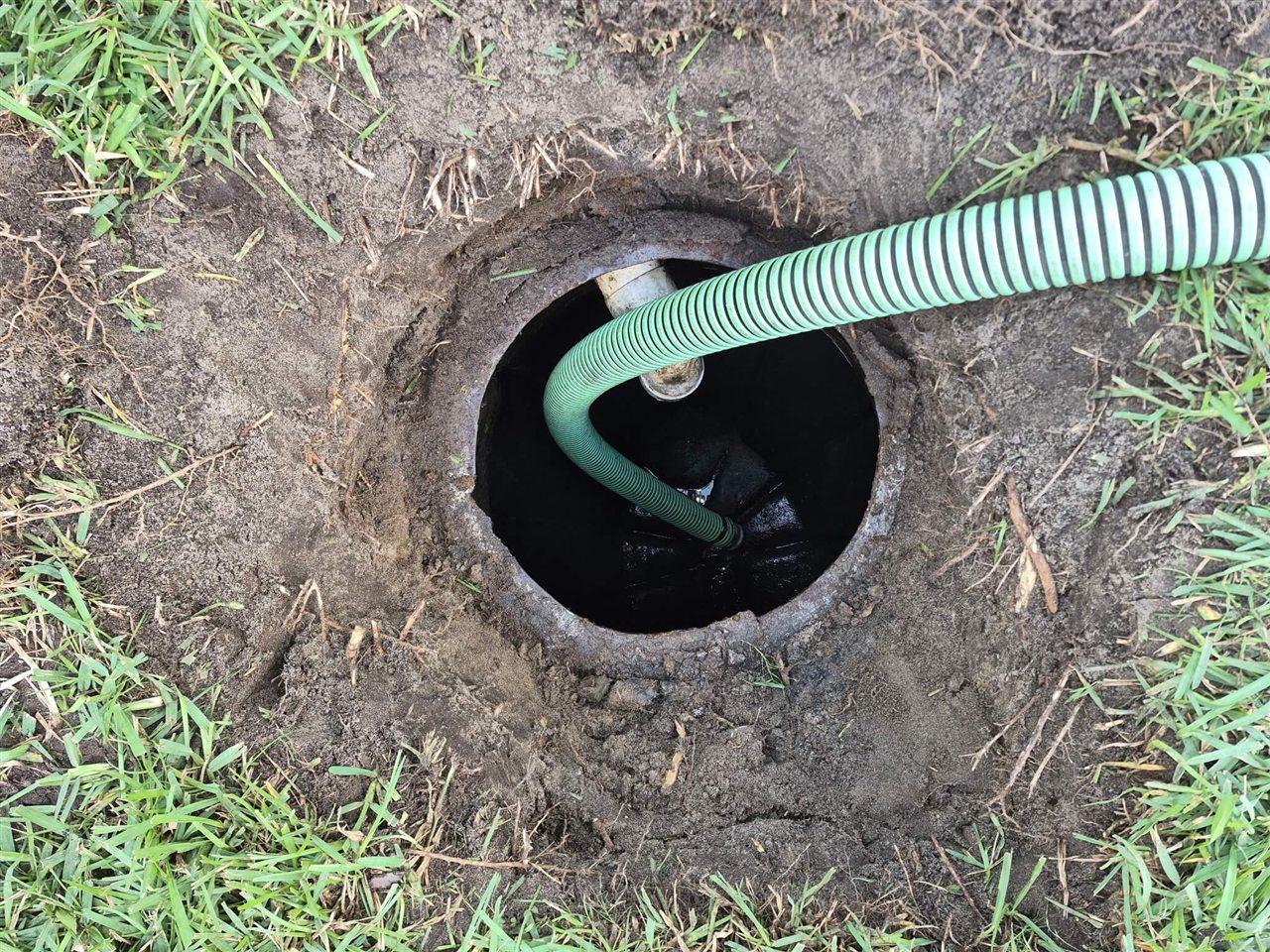
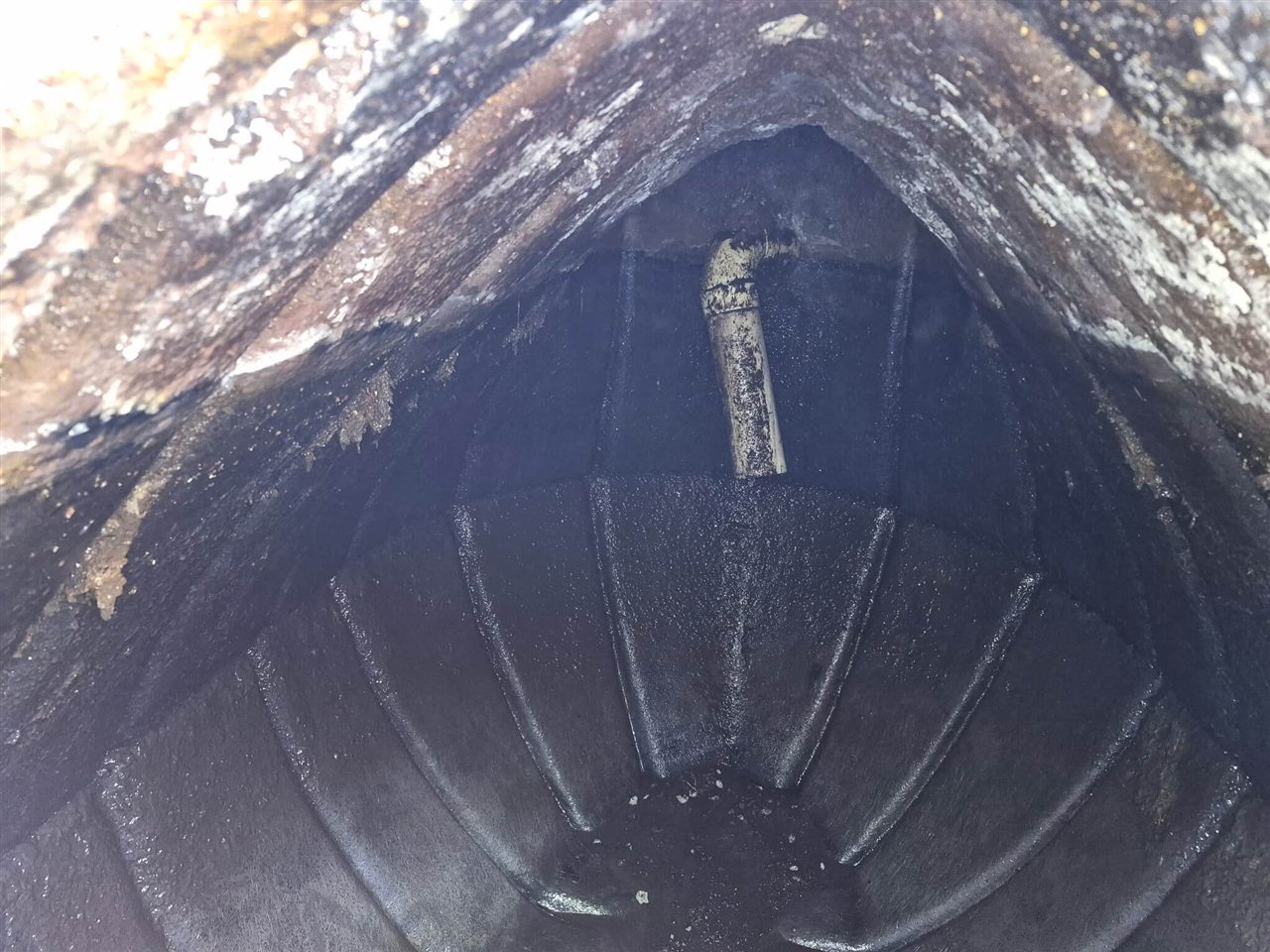
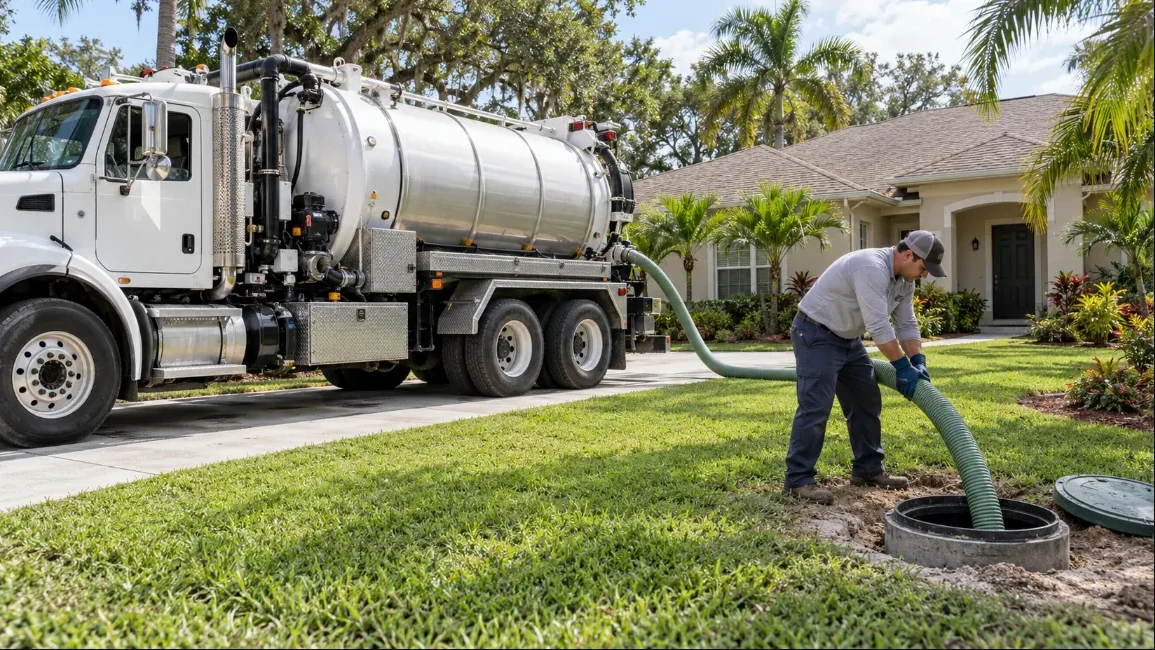
The homeowner contacted us after a backup showed that the septic tank was full. We focused the job on emptying the tank and cleaning its walls. We fully pumped the fiberglass tank with a capacity of about 1000 gallons. We then rinsed the sidewalls to clear the sludge and scum left on those surfaces. We completed the pump out and wall rinse as one service. The tank contents were removed and the fiberglass walls were cleaned of the remaining buildup.
Cost
$475
Timeline to completion
2 to 3 hours
Concrete Septic Tank Replacement
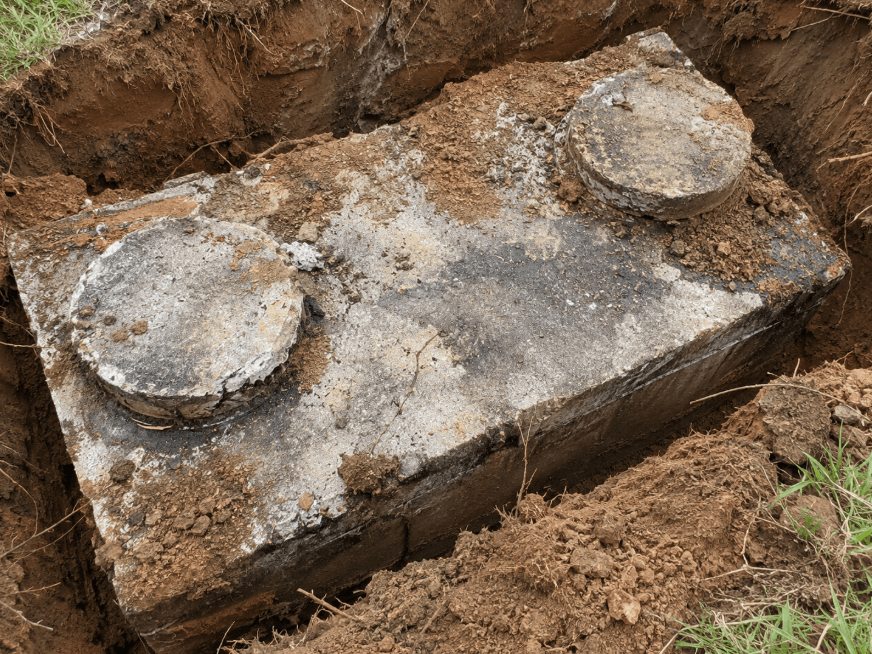
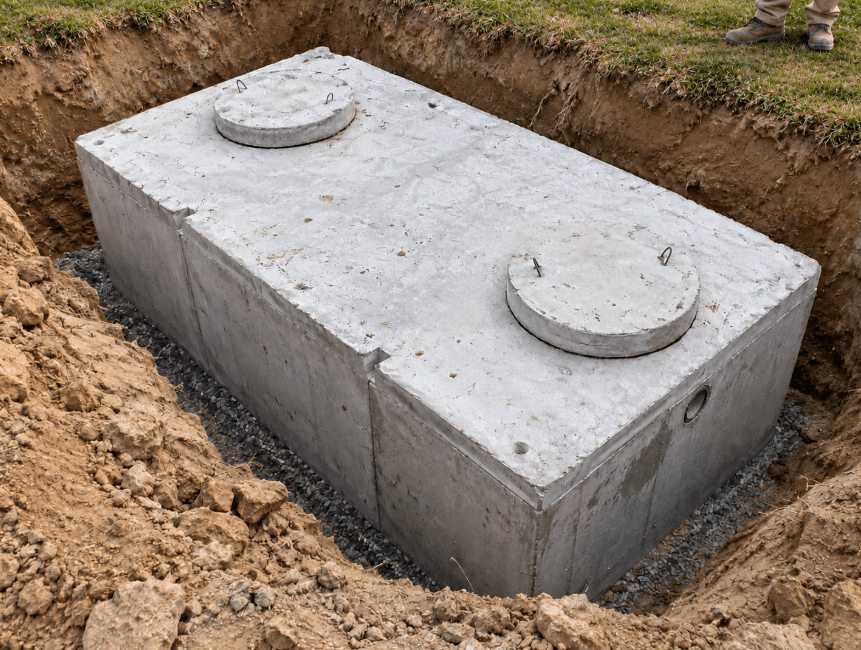
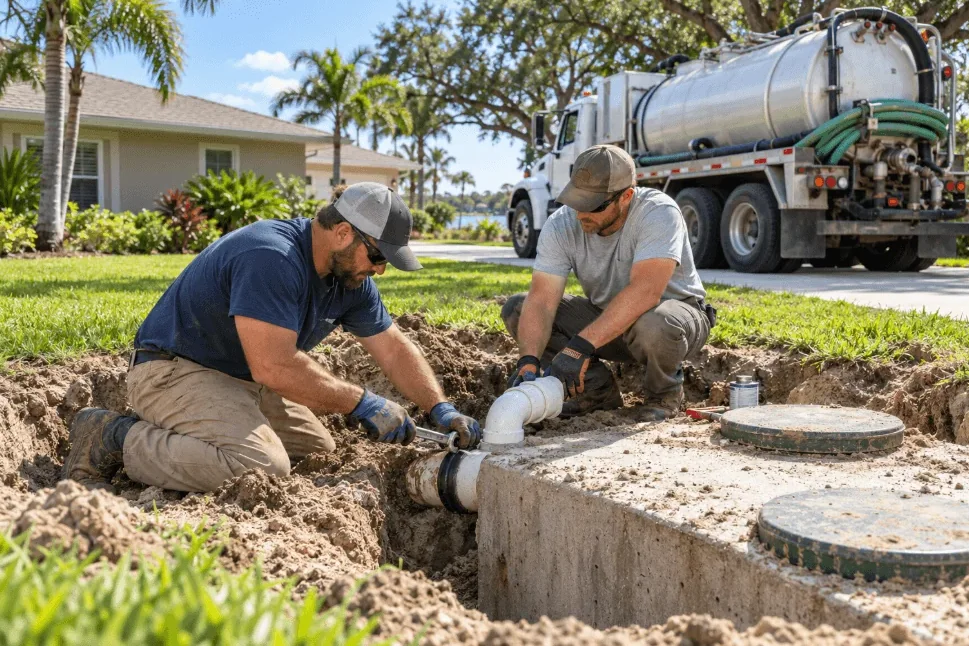
The homeowner needed to replace a septic tank that had reached the end of its expected service life. We took on the tank replacement. We replaced the old septic tank with a concrete unit holding 1000 gallons. The work centered on installing that replacement tank rather than pumping or cleaning the old one. We completed the replacement with a new concrete septic tank in place of the aging unit. The finished project provided the property with 1000 gallons of tank capacity.
Cost
$9,843
Timeline to completion
3 to 5 days excluding permitting
Residential & CommercialTank & Drain Field ServicesClear Starting Prices
Use the approved system record to identify an existing tank’s actual effective capacity. Common residential capacity examples include 900, 1,050 and 1,200 gallons. These volumes describe liquid storage, not gallons treated each day.
Florida residential tank capacity examples by design flow
Approved design flow
Minimum effective residential tank capacity
Up to 300 gallons/day
900 gallons
301 to 400 gallons/day
1,050 gallons
401 to 500 gallons/day
1,200 gallons
501 to 600 gallons/day
1,350 gallons
These are storage examples from Florida’s sizing table, not a complete Miami-Dade system design. The applicable bedroom and building area calculation establishes design flow; where those criteria differ, the larger resulting flow governs. Treatment equipment, multiple compartments or additional tanks may also be required.
Do not size a new Miami system from a bathroom count or a generic internet chart. Have the current floor plan, approved use and property evaluated. Florida Chapter 62-6, Tables I and II.
Concrete, Fiberglass and Polyethylene Tanks
Concrete
A heavy, rigid tank requiring appropriate lifting access and a prepared base. Inspect seams, covers and walls for leakage or deterioration. Weight alone does not make an empty tank immune to groundwater uplift.
Fiberglass
A lighter manufactured shell. Support, burial conditions and fittings need to follow the approved model’s installation instructions. Inspect for shell damage and connection problems.
Polyethylene
A molded plastic tank that can simplify handling where access is tight. Correct backfill, burial depth and groundwater provisions matter. Inspect for deformation, damage and leaking fittings.
How Long Do They Last?
For the products we install, our typical planning estimate is 15 to 20 years, depending on the product, installation conditions and maintenance. This is separate from the possible maximum life of a tank shell.
The EPA notes that a concrete tank may last 50 years or more, and other materials can have a similar lifespan. That is a possibility under suitable design, installation, maintenance and exposure conditions, not a warranty. Material alone is not a reliable replacement date.
The tank shell, drain field and mechanical equipment age differently. A sound tank can serve a failed field, and an advanced system can need a pump or aerator before its tank wears out. Base the decision on condition and function, not age alone.
Tank Material Is Not the Treatment Type
Conventional systems separate solids in a tank and send liquid to a soil disposal area. Aerobic treatment uses oxygen as part of treatment and may include mechanical equipment. Performance based treatment systems are designed to meet specified wastewater quality standards.
A fiberglass tank is not automatically aerobic, and an aerator alone does not establish Miami-Dade approval. New and complete replacement systems must meet the County’s applicable performance based requirements. Existing system repair is a separate scope that needs its own review.
Advanced equipment can bring operating permits, service contracts, inspection and monitoring obligations. Understand those ongoing responsibilities before comparing installation prices.
Why Miami Septic Systems Need Local Planning
Rainfall and Summer Heat
Miami International Airport’s 1991 to 2020 climate normals show 67.41 inches of annual rain and July and August average highs around 90 to 91°F. Much of the rain falls during the warm season. Rain and groundwater saturation can restrict field drainage; outdoor heat alone does not establish the cause of a backup.
Wet Season Groundwater
The disposal area needs suitable unsaturated soil for treatment. Rising groundwater can reduce that space even when a tank is intact. A backup after rain deserves a different investigation from one caused by a blocked filter.
Limestone and Limited Disposal Space
Rocky ground is not automatically an effective wastewater treatment zone. Soil evaluation, available area and setbacks matter. A patio, pool or driveway addition can complicate the existing layout and future access.
Sewer Availability
Check the address for sewer availability and any County connection notice before committing to replacement. Connect 2 Protect is expanding service in selected areas; eligibility and timing vary by property.
Flooded Ground
Reduce wastewater use when a system is flooded. Do not arrange blind pumping while the soil is saturated: an emptied tank can shift or float. Have conditions assessed professionally. EPA guidance after flooding.
Fix running toilets and spread laundry across the week.
Keep lids secure and the service area accessible.
Follow the maintenance plan for treatment equipment.
Don’t
Flush wipes, even those labeled flushable.
Pour grease, solvents or harsh chemicals down drains.
Park, pave or drive heavy equipment over the field.
Assume additives or another pump out fix a failed field.
Septic Questions, Clear Answers
Practical answers for Miami homes and businesses.
How often should I pump my tank?
Many conventional household tanks need pumping about every three to five years. Actual solids, capacity, occupancy and use determine the schedule. Advanced systems require their own ongoing care.
Why does my septic system back up after rain?
High groundwater or saturated soil can prevent normal field drainage. A blockage or damaged component is another possibility. Pumping alone does not fix groundwater conditions.
What size tank does a three bedroom, two bath home need?
Bathroom count alone is not enough. Florida sizing considers bedrooms, building area and design wastewater flow. Check approved records; a Miami-Dade performance based design may include several treatment components.
How long should a septic tank last?
Our typical planning estimate for the products we install is 15 to 20 years, depending on the product, conditions and care. Some tank shells can last much longer. The field and mechanical components may have different service lives.
Can additives replace pumping?
No. Additives do not remove accumulated solids or replace inspection and equipment maintenance.
Can a new Miami system be conventional?
Miami-Dade does not allow conventional Type 1 systems for new or total replacement projects. Confirm the performance based treatment requirements for your address and scope.
Do you handle commercial requests?
Yes. Include the business use, capacity if known, access and waste type. Commercial and grease interceptor work need a specific scope.
Is the estimate form an emergency dispatch?
No. A submission does not confirm an appointment or immediate response. For active sewage overflow, reduce water use and get prompt professional assistance.
How long should I plan for septic permitting?
Allow 4 to 6 business days for permit processing as an initial planning estimate after a complete application is submitted. Missing documents, permitting office workload, site evaluations, engineering or additional approvals can extend the timeframe. Confirm the current schedule with the permitting office before setting an installation date.